Playing the Game
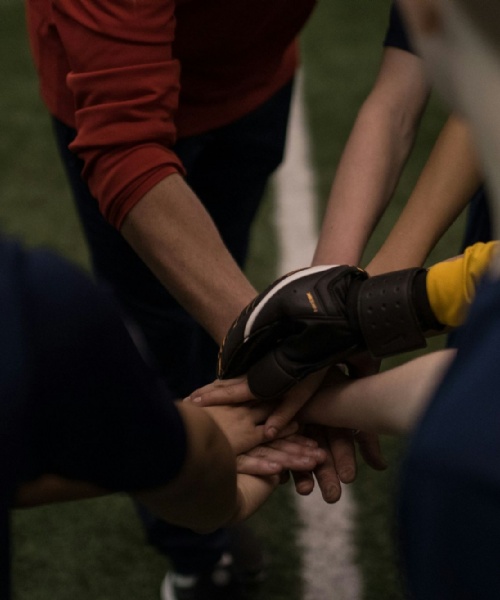
Picture this.
It’s a cup final. The clock is almost done and you’re about to go into extra time. Then the referee gives a penalty against you — and you think it’s completely wrong.
What do you do next?
Because that moment — the moment you feel hard done by — is where sportsmanship becomes real.
As I mentioned a couple of weeks ago, in A Man for All Seasons, Thomas More is admired not because he’s polite when life is easy, but because, under pressure, he refuses to become someone smaller. He keeps his integrity. It’s truth in action: doing what is right, not what is convenient.
Sport gives us those moments too.
In the Africa Cup of Nations final a couple of weeks ago, Senegal played Morocco. Late in normal time, Morocco were awarded a penalty after a VAR decision. Senegal were furious — and their coach led the team off the pitch in protest. The match stopped. Tempers flared. It was chaos.
Now, you can understand the emotion. When you feel something is unfair, walking away can feel powerful: “I’m not playing your game.”
But then the best moment of the whole episode happened.
Senegal’s captain, Sadio Mané, went after his team-mates and persuaded them to come back out and finish the match properly. After around a 14-minute delay, the penalty was finally taken — and it was saved. Senegal then won 1–0 in extra time.
Now listen carefully: the lesson is not “do the right thing and you’ll always win.” Sometimes you won’t.
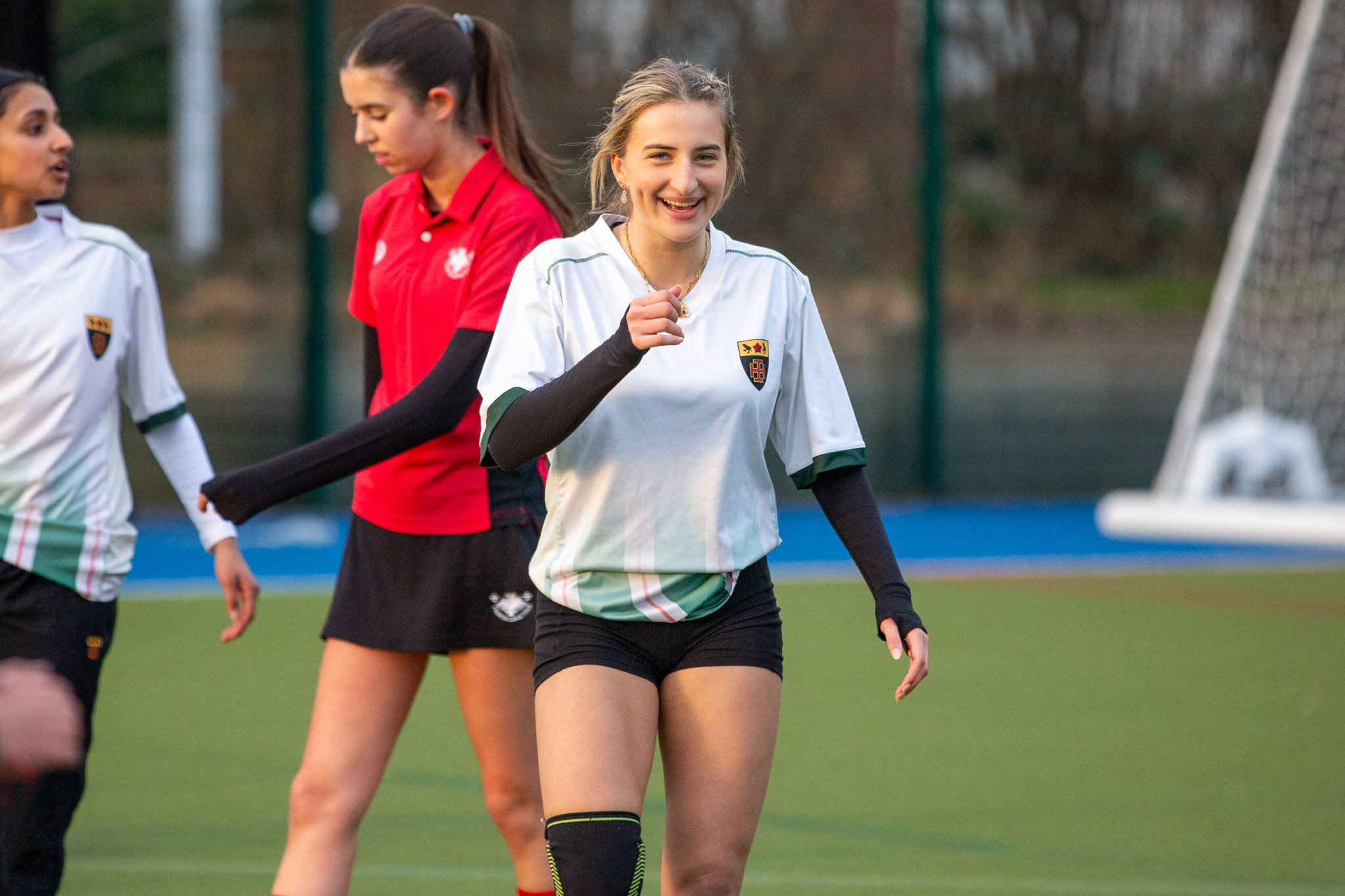
The lesson is this: Mané pulled his team back from a decision they might have regretted for the rest of their lives. He chose dignity over drama.
That’s sportsmanship. Not pretending unfairness doesn’t exist — but refusing to let unfairness turn you into someone you don’t respect.
And I should add something here, because it’s easy for people like me to stand up at the front and talk about “good sportsmanship” as if I’ve always been brilliant at it.
I haven’t.
When I was at school, I was hugely competitive — and I hated losing. I didn’t just dislike it; I took it personally. And I really struggled with the idea that you can lose a game and still behave well.
It came to a head after a house basketball match. We lost — and my reaction, let’s just say, was not my finest hour. My PE teacher, Mr Chapman, properly told me off afterwards for how I behaved. And yes, I will add — the refereeing was terrible and I was repeatedly fouled… but that isn’t the point.
The point is: the moment I was most convinced I was right, I was also the moment I was most at risk of acting badly.
And I still remember that telling-off, even after nearly 40 years, because it was a turning point: it made me realise that being competitive is fine — but letting competitiveness control you isn’t.
Now compare that with something from the Premier League.
After Manchester United’s 3–2 win at Arsenal on Sunday 25 January 2026, footage showed Arsenal’s Gabriel refusing to shake Harry Maguire’s hand at full time, and it sparked a little confrontation.
That’s not a cup final. No one’s life is on the line. But it’s the same kind of test, just in miniature:
When you’re frustrated… when you feel angry… when you’re embarrassed… do you control your reaction, or does your reaction control you?
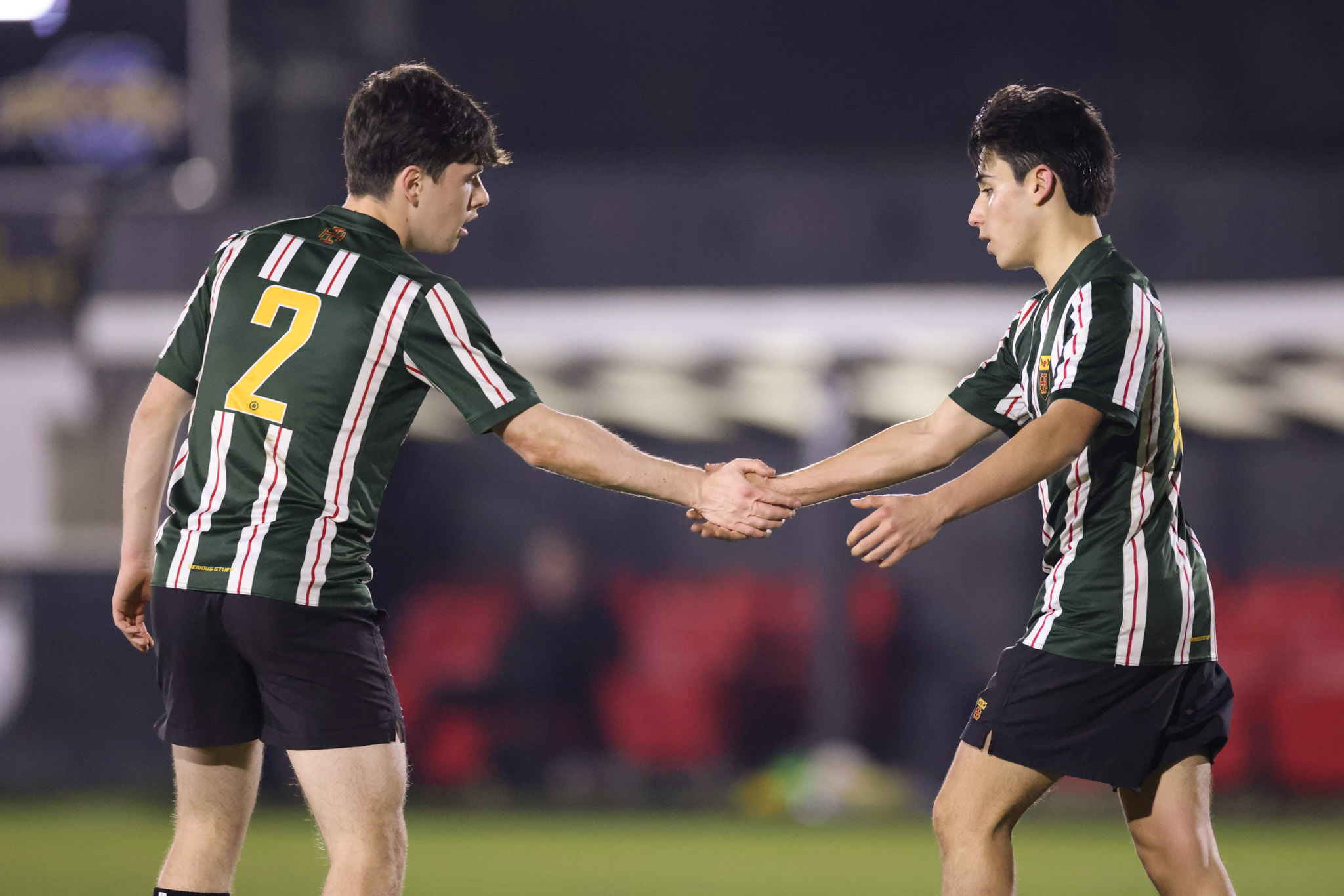
A handshake doesn’t change the score. It doesn’t rewrite the match.
But it does say: “I can compete fiercely and still treat you with respect.”
What this means for us
So here are three simple rules for our own matches, teams, classrooms, and friendships:
- Pause before you react.
Your first impulse is often your worst one. - Finish properly.
Don’t storm off, don’t sulk, don’t go for the cheap shot — because you can’t always undo what you do in anger. - Be the kind of person you admire, even when it costs you.
That’s sportsmanship. That’s character. That’s “truth in action”.
And if you want one line to take away, it’s this:
The scoreboard shows the result. Your behaviour shows who you are.